
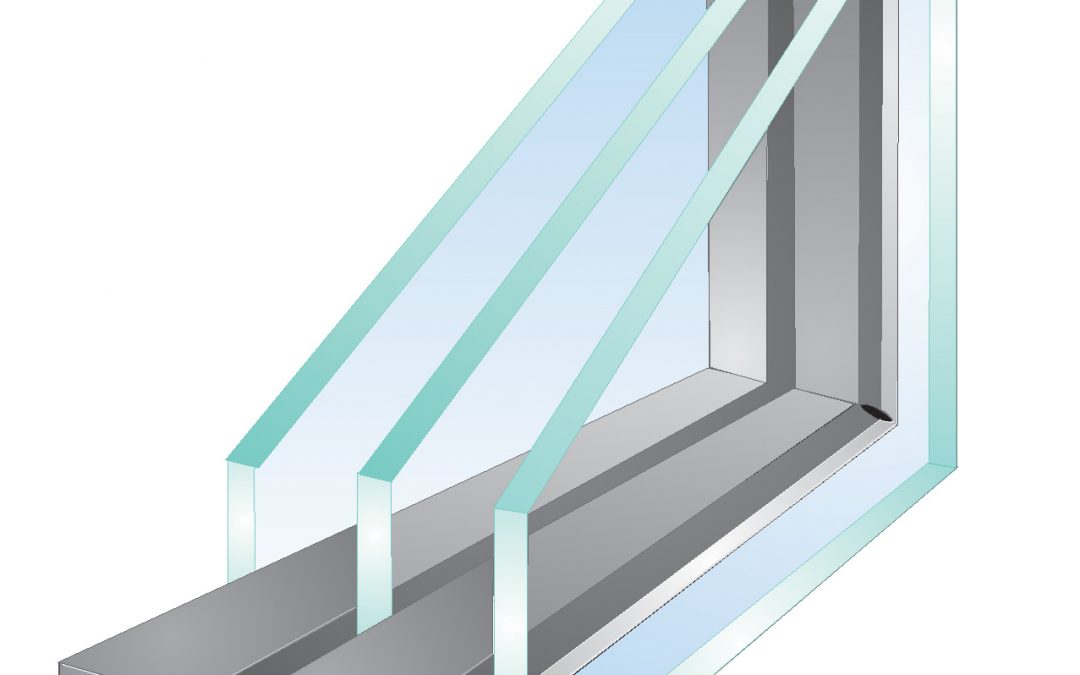
You’ve probably heard that three panes of glass are better than two. It sounds straightforward, but does an extra pane automatically mean a warmer, quieter home?
When comparing double glazing vs triple glazing, there’s more to consider than the number of panes. The glass specification, frame, seals and condition of your existing windows all affect the result.
Triple glazing can offer better insulation, but it also brings extra weight, thickness and cost. Understanding those differences helps you work out which benefits matter to your home and whether a problem with your current windows actually needs a repair.
What’s the Difference Between Double and Triple Glazing?
Double glazing has two panes of glass separated by a sealed gap. Triple glazing has three panes and two gaps. These spaces contain air or an insulating gas, such as argon, and help reduce heat transfer through the glazing.
The glass may also have a low-emissivity coating, usually called low-E. This very thin coating reduces heat transfer by radiation, helping limit heat escaping from a warm room.
The frame and the spacers around the edges of the glass contribute to the window’s performance too. That means two windows with the same number of panes can have different insulating properties.
For a useful comparison of double glazing vs triple glazing, look at the complete window specification. A glass-only performance figure tells you about the glazing unit, while a whole-window figure also accounts for the frame and glazing edges.
What Are the Benefits of Triple Glazing?
The main benefit is improved thermal insulation. A suitably specified triple-glazed unit can reduce heat transfer compared with a double-glazed unit of otherwise similar construction.
You’ll often see this described using a U-value. A lower value means less heat passes through under the same conditions. When comparing figures, make sure both refer to the same thing: either the glass or the complete window.
Better insulation can also keep the room-facing glass surface warmer during cold weather. This may improve comfort when you sit near the window and reduce the likelihood of condensation forming on the inside pane. Indoor humidity and ventilation still matter, though.
Noise reduction needs a closer look. Triple glazing can reduce outside noise, but an extra pane alone doesn’t guarantee better acoustic performance than double glazing. Glass thickness, the gaps between panes, acoustic laminated glass, and the fit of the whole window all affect the result.
If noise is your main concern, ask about the tested acoustic performance of the proposed specification. Pane count alone won’t tell you how well it will deal with passing traffic or other sounds.
What Are the Disadvantages of Triple Glazing?
Cost is often the first consideration when weighing up double glazing vs triple glazing. Triple glazing generally costs more because of the additional glass and construction involved. Whether the difference is worthwhile depends on the specifications being compared and what you want to improve.
Weight and thickness also matter. With otherwise similar pane thicknesses, a third pane adds weight. The sash, hinges and surrounding frame must be suitable for the glazing they support.
An existing double-glazed window therefore cannot automatically accept a triple-glazed unit. The available glazing space, retaining beads, seals and hardware need checking before any change is considered.
The extra pane and coatings can also affect how much daylight and solar heat pass through. The extent depends on the glass specification, so it’s worth comparing light transmission and solar gain figures where these are important to the room.
You might also notice condensation on the outside of well-insulated glazing. This can happen when the outer surface becomes cold enough for moisture in the outside air to condense on it. It doesn’t, by itself, mean the glazing has failed.
Is Triple Glazing Worth It for Your Home?
Start with what you’re trying to solve. Is the room cold near the glass, is air coming through a gap, or has the window become difficult to close? Those symptoms can point to different problems.
The double glazing vs triple glazing decision is only one part of improving comfort. If a worn hinge leaves the sash sitting unevenly, changing the glass alone won’t resolve the closing fault.
Our uPVC window repairs Dublin service includes checking hinges, handles, seals, and locking mechanisms to identify what needs attention. Where suitable parts are available, an existing window may be repaired.
Condensation also needs to be understood by its location. Moisture on the room-facing surface relates to surface temperature and indoor humidity. Moisture trapped between the panes can indicate a failure of the sealed unit and needs assessment.
Broken or cracked glazing may be replaceable while retaining a suitable existing frame. Our glass replacement Dublin service includes checking the dimensions, specification and retaining fittings required.
The most useful starting point is the condition of the windows you have. An inspection can establish whether the problem involves the glass, the fittings or several connected components.
Need Help With Your Existing Windows?
If your window is damaged, draughty or difficult to operate, contact Windows Pro. Tell us what you’ve noticed and whether the window can still close and lock.
Call 085 778 5351 or email info@windowspro.ie. We are based in Clonee, Dublin 15, and serve Dublin, Meath, Kildare and Wicklow.
Areas We Serve
Dublin
Meath
Kildare
Wicklow

© 2017- 2026 Windows Pro Dublin - All Rights Reserved